Running an autism classroom can sometimes feel like struggle after struggle with paperwork, organizing, more paperwork. Between teaching new skills, managing behaviors, meeting sensory needs, and collecting data, it’s easy to feel like the day could spiral into chaos at any moment. But just as sure as the Velcro holding that visual together, you can do this. It just takes time, structure, and a few systems that keep everyone (including you) grounded.
One of the best systems for finding your groove is creating zones. Each team calls them something different from zones, to centers, to rotations, or small groups, to stations. (I am considering them all the same for the purpose of this blog.) In any case, you identify smaller groups of students who rotate through various work stations. As a team, the zones help transform any form of controlled chaos into a calm, organized classroom that actually works. This goal is for both students and staff. Here are 4 ways to work on this.
1. Create Zones That Work for You
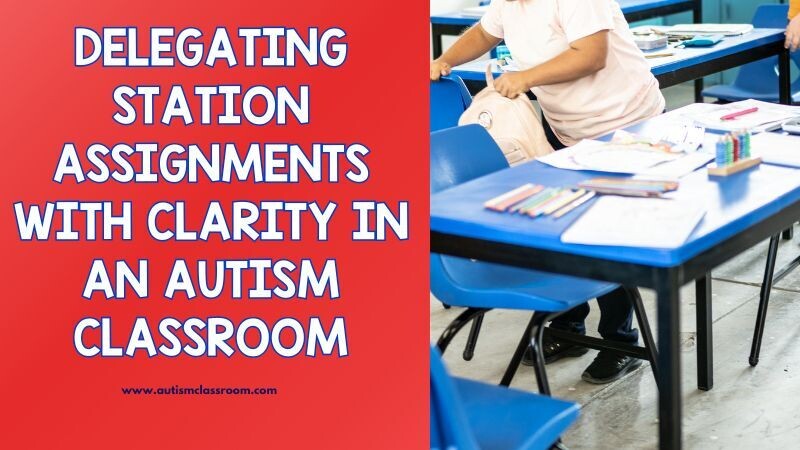
Think of zones like classroom stations. Each zone has its own purpose. For example, one for direct instruction, one for sensory regulation, one for independent work, and one for play or social interaction. Once students and staff know what happens in each area, the classroom starts running itself. Almost.
Zones are great because they are clear and each person knows where to go and when to go there. Any time you reduce confusion, you improve productivity. The class become more productive once everyone knows where to go. Staff members and students are more confident of the expectations.
What can you try to do to make it work.
1. Define each area clearly.
Label zones with visuals or icons so students can easily recognize them.
2. Post a zone chart for staff.
Assign who’s teaching, who’s prompting, and who’s collecting data. This eliminates the “Wait, who has this student?” moments.
3. Keep tools nearby.
Clipboards, timers, walkie-talkies, materials for the lesson and labeled bins make everything flow better.
4. Stay flexible.
What works in September might not work in January. Students grow, staff change, and needs shift. A quick weekly check-in with your team about what updates are needed in each center area keeps things functioning. Even better, a notepad in each center area for staff to write down when something runs out or needs to be prepared.
So grab those clipboards, write up those seating charts, make those small groups schedules. It really will give students and your team a sense of calm and direction. (But allow time for mistakes and adjustments.)
2. One-to-One and Two-to-One Work Areas
Now let’s zoom in a bit. Within your classroom, you’ll want dedicated work areas for teaching IEP objectives and individual skills. These spaces often 1:1 or 2:1 setups are where the magic of progress really happens.
These areas should be separated from your large group zone so that students can focus. You might have two or three small stations running at once, or you might pull one student at a time, depending on your classroom dynamics. Either way, the key is in the preparation.
During this time, each team member should know the following things.
- Which student(s) they’re working with.
- What goals are being targeted.
- Where the data is being recorded.
A few simple supplies can make all the difference here.
- Work bins labeled with each student’s name and filled with their specific IEP materials.
- Zippered baggies for organizing objectives or reinforcers.
- Reinforcer boxes with 6–7 highly preferred items that are only used during work time, to keep motivation high.
- Dividers or visual barriers made from bookshelves, fabric, or foam boards to reduce distractions. They need to be something safe that cannot fall on anyone.
It takes time to get these systems in place, but once you do, instruction becomes intentional, data collection becomes consistent, and eventually most students will follow the routine. No illusions here that every student will follow. But once they are ready, there will be a system to follow.
3. Build Your Small Group Systems
These small group centers you are creating are a great way to promote focus, consistency and routine. As mentioned earlier, each center should have a clear purpose for that 10 to 20 minutes.
When you begin, it may not be easy. Start small. The first week might be messy. Students may wander. Staff may look at you like you’ve lost your mind. That’s okay. Stick with it. Rearrange furniture, swap out materials, and tweak rotations until it clicks.
Here’s what helps most.
Tips for Helping Students Learn the Routine of the Small Groups
- Keep all staff in the room during center time. Schedule staff breaks elsewhere.
- Make sure there are enough seats at each center (if you have three students, have three seats).
- Have reinforcer boxes available at each table for waiting/transition times.
- Use a consistent rotation schedule so students know the routine (for example, always move clockwise every 15 minutes).
- Color-code student folders or binders for easy access to materials and data sheets.
And remember, the goal isn’t perfection, it’s progress. The first week or two might be (will be) chaotic, but every adjustment brings you closer to that smooth rhythm where everyone knows where to go, what to do.
4. Data and Documentation
Data collection might not feel glamorous. Some teachers love it, some think the opposite. But the truth is, it is the only way to know if how you’re teaching and if what you’re teaching is working. So keep it simple and immediate. In the center/zone/station/small group (whatever you decide to call it in your room), record data right after the student completes a task whenever possible. Whether you’re using binders, folders, paper, sticky notes or digital tools, make sure every team member knows where to log the information.
Color-coded folders or 3-prong binders are lifesavers. Some teachers organize by skill area (yellow = language, purple = social skills), while others organize by week (Week 1, Week 2, etc.). Do what fits your style, but try to keep it consistent.
Remember to Give it Time
Grab your good sneakers and your water bottle because it’s not going to be perfect overnight. Building systems, training staff, and getting students used to rotations takes time. There will be days when zones fall apart. And I mean apart, apart. Materials go missing, get torn up. (It happens to the best of us.)
But over time, something amazing happens. Your systems start working. Students start anticipating routines. Staff members begin to move together like a team. The classroom feels calmer. You see the vision and others start to believe in it too.
Your classroom transformation will take determination, flexibility, and a little bit of trial and error. But when it all comes together, you’ll realize you spent way more time, sweat and Velcro than you ever thought possible. But the first day you get through the morning so calm and so fast that you look up and it is already lunch time, it will be worth every minute.
You can do this. One day, one zone, and one small success at a time.