
Have you ever had so many wild things happen in one day that once the kids left, you just sit there, unable to get up for a bit and stared at your team like, “What just happened?” Regardless of the kind of day you have, you know you can survive it because of the other amazing adults in the classroom.
Teaching in an autism or making a self-contained classroom is no small feat. It takes heart, patience, and a solid support system. At the core of that support system are your paraprofessionals, the unsung heroes who work hand-in-hand with you to give students the care and attention they need to thrive.
Most of the time figuring out how to make your team members feel confident, prepared, and appreciated can feel like juggling glass ornaments over concrete flooring. Especially when you are still trying to figure out some of that for yourself. Hopefully we can get you some tips to make it tiny bit easier. Continue reading to learn how to empower a paraprofessional for special education classrooms.
One strategy is to be sure to empower them to be the best they can be. Good araprofessionals in education are gold. You have to make sure to do all you can to empower your team.
- Get the book. We offer a resource which is a short to-the-point assistance guide for 1:1 providers and paraeducators. It is called The 1:1 Assistant's Guidebook: Practical Ideas for Learning Support Aides Working with Students with Autism. This professional development resource is designed to provide your team with a deep understanding of autism, practical strategies for supporting students, and tools for effective professionalism in the workplace.
- Build a team. Realize that teams do not just happen. Typically, a coach provides instruction and encouragement along with training to make a team become great. It’s a little like that with autism teachers. Your classroom team will develop, with intentional planning. First, realize that all teams go through stages and it can get awkward, but you have to be the instructional leader in the room. Second, remember that clear, written and direct communication is best. Third, find a way to provide educational development through consistent small-scale PD (ex. email strategies and tips to your team from time to time or have a monthly information post hang in the room.)

- Give responsibility. No one can do everything in an autism classroom. You are going to have to learn to delegate. You will want to start to establish some type of workplace trust between you and your paraprofessionals. Be clear about task you are delegating and write down the specific elements required.
- Listen. Many times empowerment is formed just by listening. We are quick to form an opinion or run through our agenda without listening. However, if we intentionally check in (even if just for 2 minutes) and say “what do you think about that” or “do you know anything about that,” you will let your team know that you value their knowledge and you might save yourself some time if they already know how to do what you are trying. One final reason to listen is to make sure your team feels comfortable sharing information with you so that you’ll know what’s going on with your students.
- Ask questions. Before school begins and you are working on setting up the classroom, find out their hobbies and find out their likes. Most people will not tell this, but if you can, find out their strengths. Paraprofessionals in education have many hidden talents. Consider asking how many years they’ve been working with kids with special needs. It’s not an interrogation, but you just want to know what tasks and responsibilities in the classroom they may be good at handling based on their experiences. Then as much as you can, you tailor their responsibilities to things that best suit them.

- Expect more. Have high expectations for all of your staff members. Do not put any of your own limited beliefs on to them. Remember people will follow people who have a plan a vision a goal. Sometimes, they just need to make sure that you respect them for who they are and where they are starting. To make this easier, state or post the staff expectations at the beginning of the year and refer to them often. For example, the beginning of the year is the best time to tell them where and when to use the phone, stating “phone use is outside of the classroom during break time and lunchtime” can showcase your expectations.
- Praise talents. Think of some ways you can create something now that you can present to them later. For instance, you can try using a certificate. Create a your own “thank you certificate” for the end of each semester and present it to them. Another thing you can do is, you can bring in food (ex. donuts, Door Dash) once a month to say thank you. If your school has them, you can put a notice on the morning announcements once a month to say thank you to your team. Or, you can use staff meetings to praise your team. Just be sure to be specific about the talent, skill or special thing they did that you are highlighting.
I think you have some good ideas to get you started. Remember the The 1:1 Assistant's Guidebook: Practical Ideas for Learning Support Aides Working with Students with Autism is available as a paperback and as a digital download. We also have an entire module on working with your team with tips to support a paraprofessional for special education in our Step by Step Autism Classroom Design Course which you can now get as an add-on in the Autism Teacher Club if you are interested. The course offers emails professional development you can send to your staff, powerpoint trainings that you can present, newsletters and a paraprofessional handbook.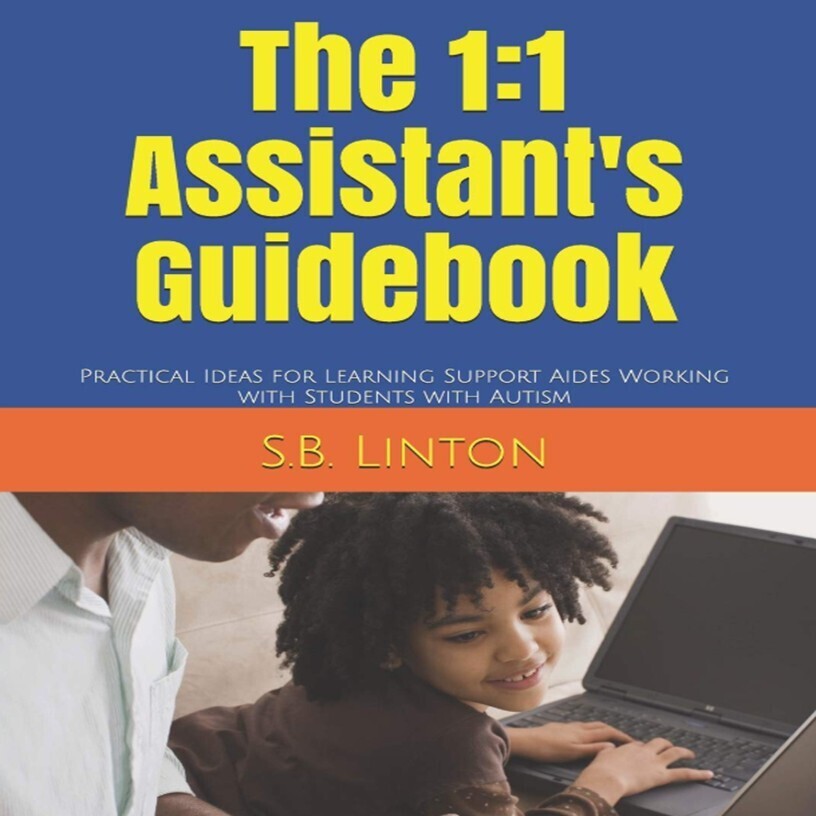
And at the end of it all, when the classroom is finally quiet and the chaos has settled, it’s those shared glances, the inside jokes, and the unspoken support from your team that remind you that you’re never in it alone. Because no matter how wild the day gets, having a team of people beside you makes all the difference.